
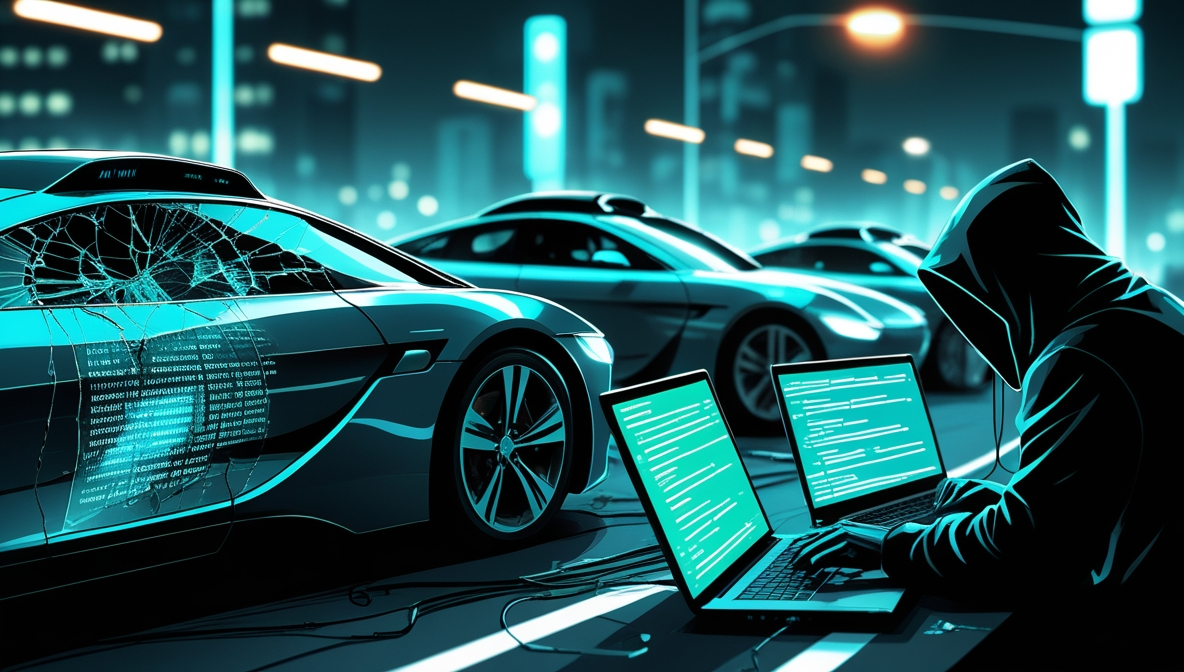
Research shows that the UK government needs to take measures so that autonomous vehicles can be insured against hacker attacks, which could have serious consequences.
Autonomous vehicle software allows them to exchange data with each other. This technology is already being tested in public transport worldwide and may appear in private cars. It can improve safety, but hacking could cause accidents, fleet damage, financial losses, injuries, and fatalities.
Experts suggest creating a national compensation fund from which victims of hacker attacks could receive compensation. Traditional car insurance does not cover mass cyberattacks, and losses could reach tens of billions of pounds.
Hackers can attack vehicles through software updates. Without appropriate insurance mechanisms, autonomous vehicles could become dangerous, especially if the software has serious vulnerabilities. Existing liability systems are not suitable for autonomous vehicles.
The study was published in the Computer Law & Security Review by Matthew Channon from the University of Exeter and James Marson from Sheffield Hallam University.
Dr. Channon stated: “It is impossible to accurately assess the risk of hacker attacks on autonomous vehicles, but we must be prepared. We propose introducing insurance for connected vehicles and a government-backed compensation fund for large-scale losses.”
According to him, this would reduce the burden on manufacturers and promote the development of autonomous vehicles in the UK. If manufacturers had to bear the costs of compensating victims of mass attacks themselves, it could slow innovation and lead to legal disputes.
Dr. Marson added: “The UK wants to remain a leader in the development of autonomous and connected vehicles. Creating an insurance fund for victims of hacker attacks will protect road users and give insurers confidence in covering a new and still insufficiently tested market.”