
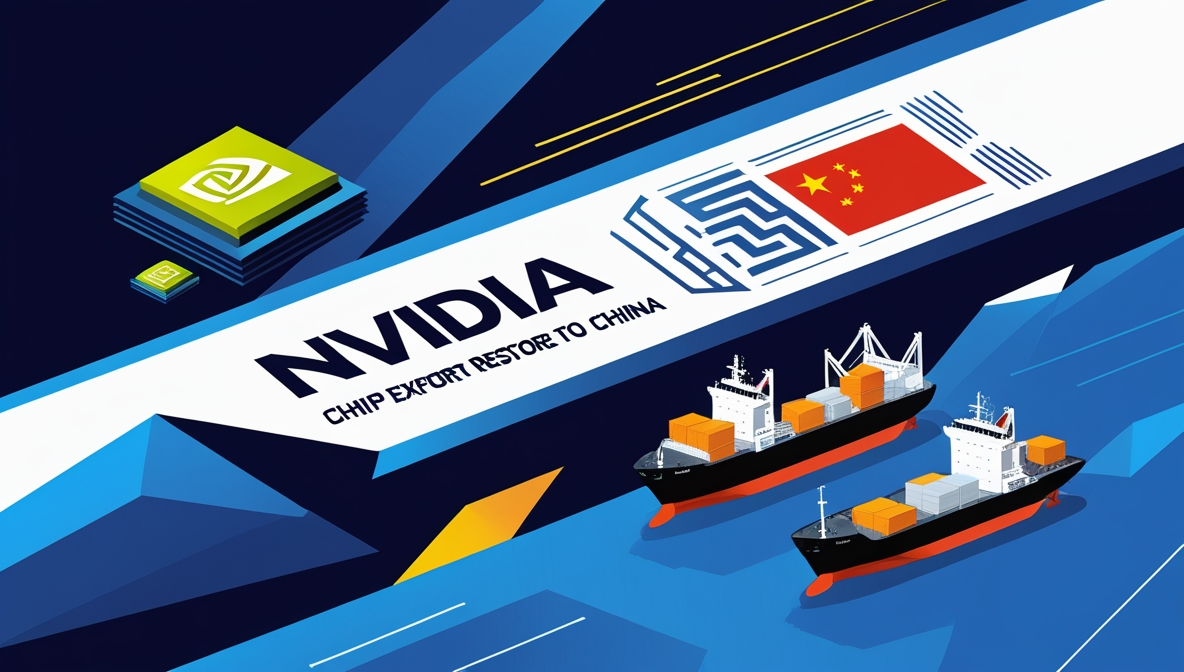
The Chairman of the U.S. House Committee on China, John Moolenar, sharply criticized the U.S. Department of Commerce’s decision to allow the resumption of Nvidia H20 chip exports to China.
Moolenar called the initial ban on sales of these chips the “right decision” and warned that resuming shipments could enhance China’s capabilities in artificial intelligence (AI), threatening the technological edge of the U.S.
He noted that American chips could help Chinese companies capture a share of the global AI market and support the military and censorship activities of the Chinese Communist Party.
This criticism became public after the U.S. administration lifted export restrictions imposed during the Trump administration, causing concern among lawmakers, especially “hawks” in Washington.
Nvidia, meanwhile, defends the government’s decision, stating that open access to American technology promotes economic growth, U.S. technological leadership, and national security.
The H20 chip was specifically developed for the Chinese market after restrictions on other advanced chip models were imposed.
H20 remains competitive in logical inference — an important segment of the AI market — and is used in supercomputers.
According to a report by the Special Committee on China, H20 chips played a key role in creating a powerful AI model by the Chinese company DeepSeek, which gained international recognition. Companies like Tencent also use these chips to train large AI systems.
Meanwhile, the U.S. Department of Commerce said that resuming sales of the H20 chip is part of broader negotiations with China on rare earth elements and magnets, indicating a loosening of export restrictions on AI technology.